
NEWS
PLEDGE
I, hereby solemnly pledge that I will never use narcotic drugs or other intoxicating substances.
I pledge that I will make every effort to prevent drug abuse, which poses a serious threat to individuals, families, and society.
I further pledge that I will actively cooperate in preventing the production, distribution, sale, and use of narcotic drugs and other intoxicating substances.
I also pledge that I will support and participate in activities aimed at creating a drug-free society and will work as a “Toofan Warrior” under Operation Toofan.
Jai Hind!
Government of Kerala
Operation Toofan – Phase II
Guidelines for a Grassroots Anti-Drug People’s Movement through Local Self-Government Institutions
1. Background
The Kerala Police had launched “Operation Toofan” as a major anti-drug initiative. During the first phase, significant progress was achieved through action against drug-related activities, awareness programmes, identification of offenders, and monitoring of drug-related activities in educational institutions.
However, combating drug abuse requires not only enforcement but also demand reduction, early intervention, treatment, rehabilitation and social reintegration. Therefore, these activities need to be strengthened through coordinated intervention at the grassroots level.
The second phase of Operation Toofan is intended to transform the anti-drug campaign into a people-centred, community-based movement, with active participation from Local Self-Government Institutions, Police, Excise, Health, Education, Social Justice, Youth Affairs, voluntary organisations and other stakeholders.
The programme will focus on:
Demand Reduction: Reducing the demand for drugs through effective interventions, awareness programmes and family/community-level activities.
Institutionalising Ward-Level Vigilance: Strengthening anti-drug activities through ward-level mechanisms covering the 20,999 wards under Local Self-Government Institutions.
Holistic Rehabilitation: Providing persons affected by drug use with counselling, treatment, de-addiction services, psychological support, skill development, employment assistance and social rehabilitation.
Intelligence Crowdsourcing: Collecting information from the public regarding drug distribution, usage, suspicious activities and related offences, and sharing relevant information with the Police.
Youth & Campus Mobilisation: Engaging students and young people through awareness programmes, campus activities, social-service initiatives and other constructive interventions.
2. Objectives of Ward-Level Janajagratha / Vigilance Committees
The second phase of Operation Toofan aims to strengthen the existing anti-drug activities of the Police through coordinated action at the ward and local-government levels.
Representatives and officials from Local Self-Government Institutions, Police, Excise, Health, Education, Social Justice, Youth Affairs and voluntary organisations will work together to identify vulnerable areas and persons affected by drug abuse and to develop appropriate preventive and rehabilitation measures.
The committees will:
Identify areas and persons vulnerable to drug abuse.
Coordinate with Police and other enforcement agencies.
Promote awareness and preventive activities.
Facilitate treatment and rehabilitation for affected persons.
Encourage community participation in preventing drug abuse.
Strengthen cooperation between government departments and local communities.
3. State-Level Inauguration and Action Programme
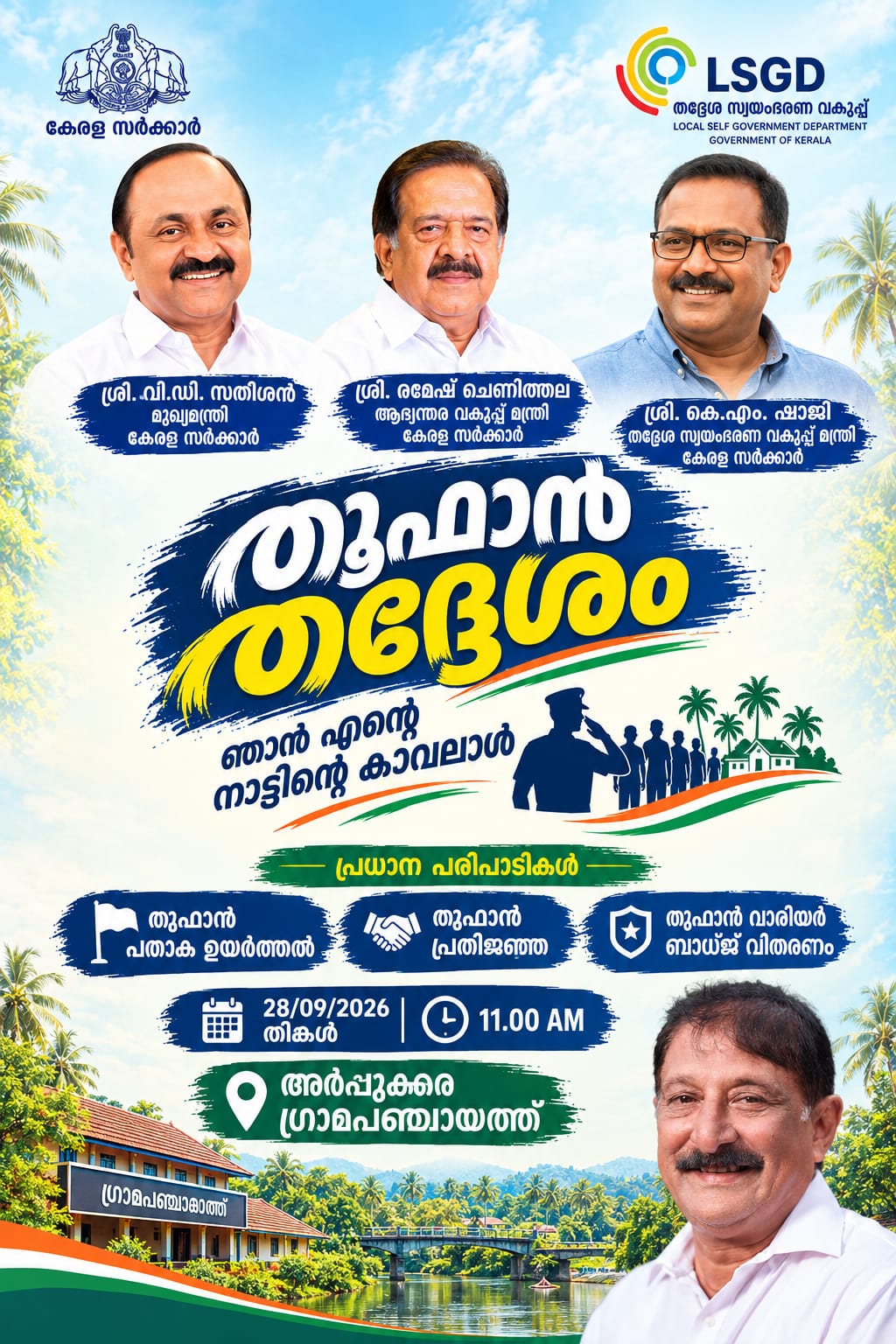
The state-level inauguration of Operation Toofan 2.0 is scheduled for 28 September 2026 at 11:00 AM at A.R. Nagar Grama Panchayat in Malappuram District.
The programme is designed as a grassroots anti-drug movement through Local Self-Government Institutions.
4. Important Activities to be Undertaken on the Inauguration Day
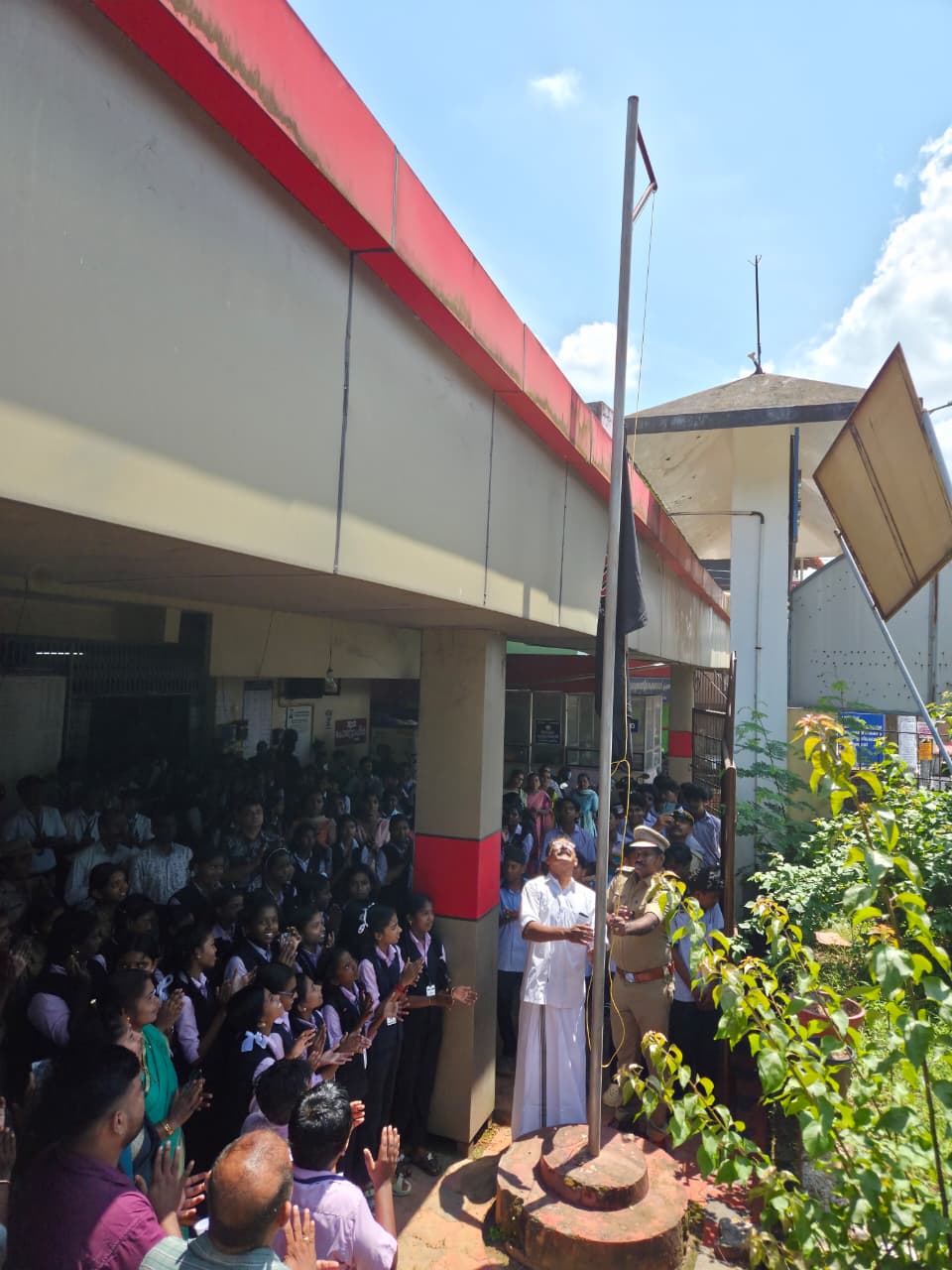
• Flag Hoisting
The “Toofan Flag” will be hoisted simultaneously at all Local Self-Government Institutions across the State.
This covers approximately 1,200 Local Self-Government Institutions, comprising:
941 Grama Panchayats
152 Block Panchayats
14 District Panchayats
87 Municipalities
6 Corporations
• Activities after Flag Hoisting
After the flag-hoisting ceremony:
The Toofan Pledge will be administered.
The Toofan Warrior campaign will be launched.
Toofan Warrior badges will be distributed.
Awareness programmes and related activities will be conducted.
• Police-Led Awareness Programme
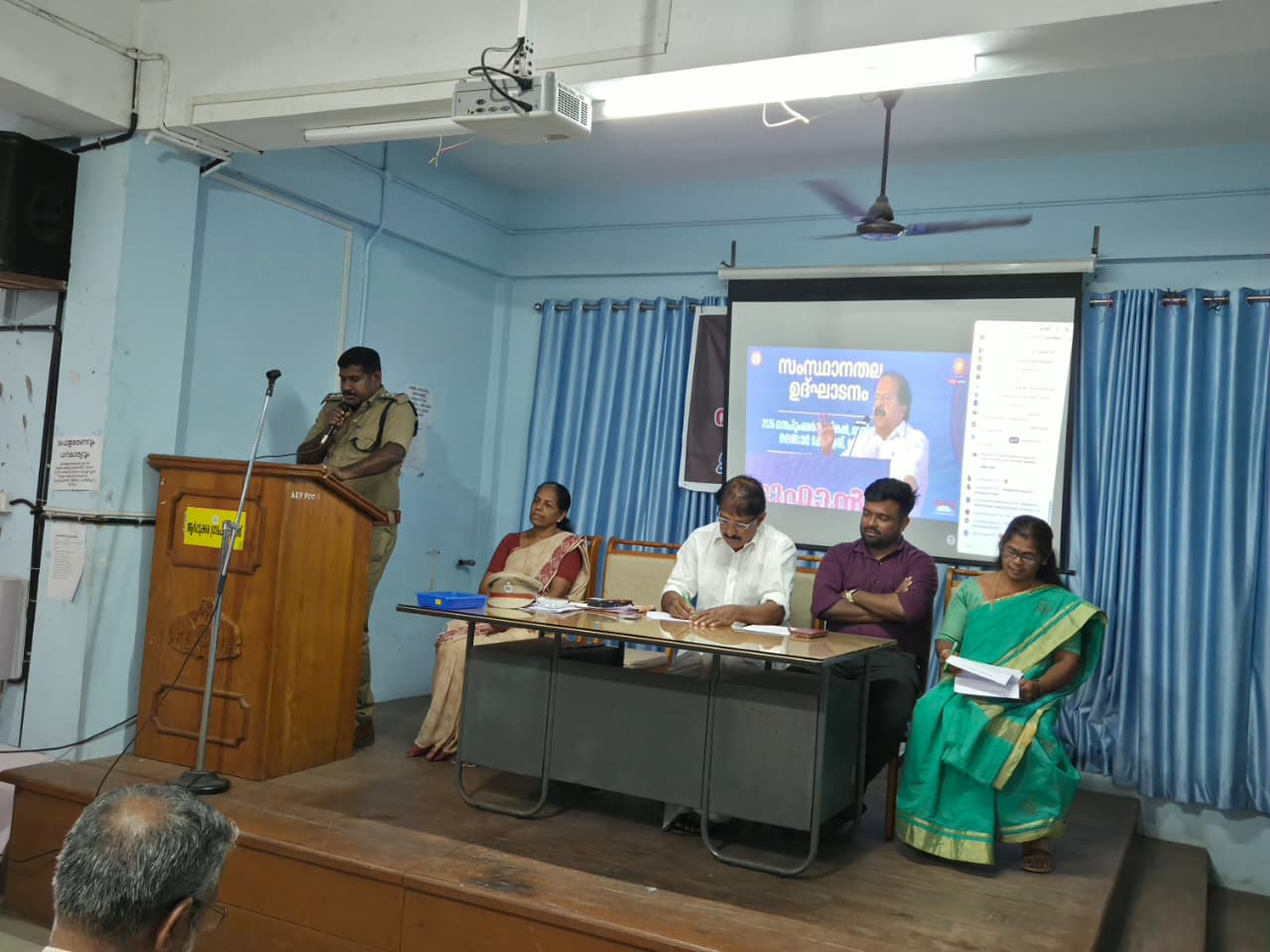
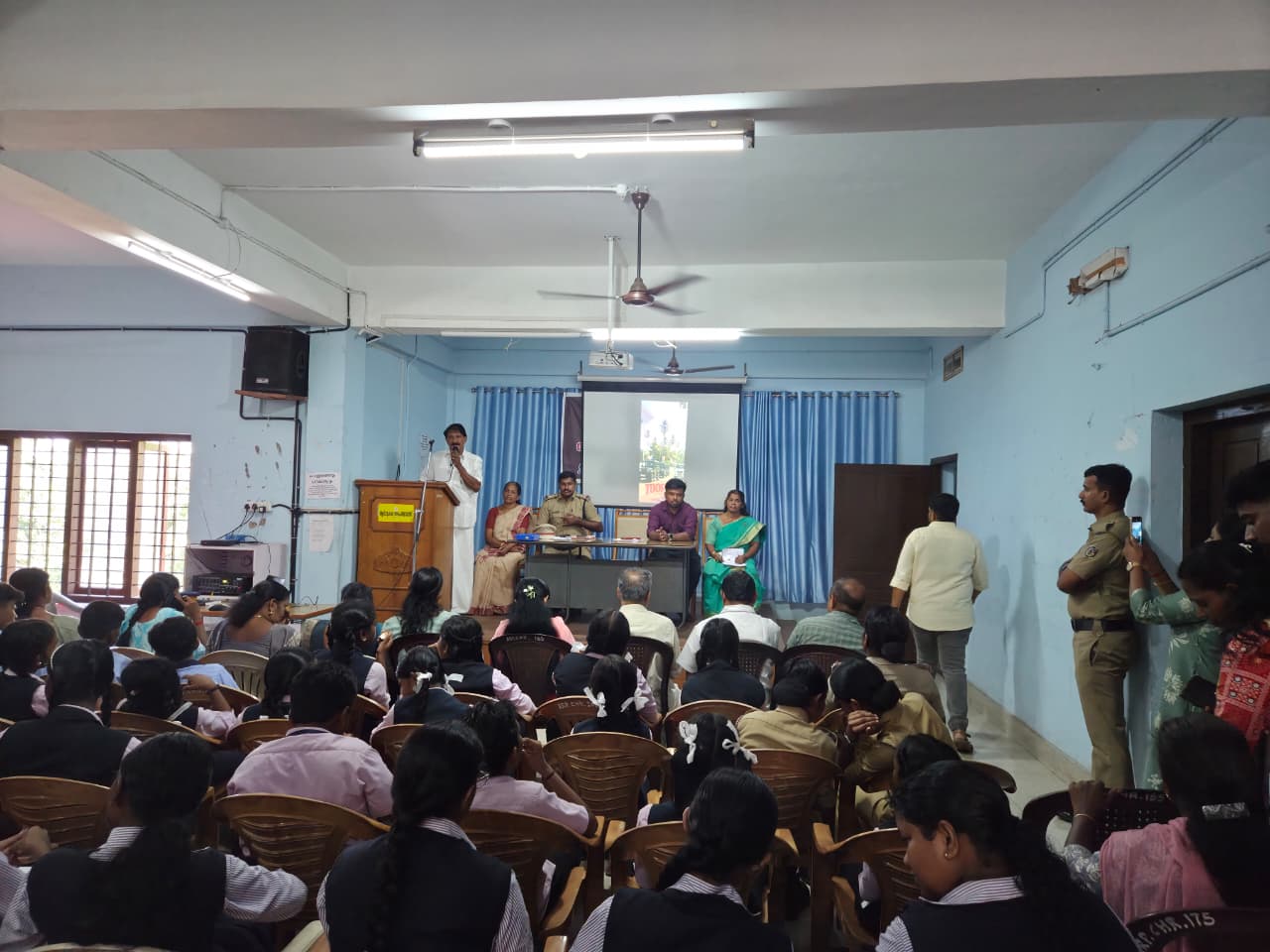
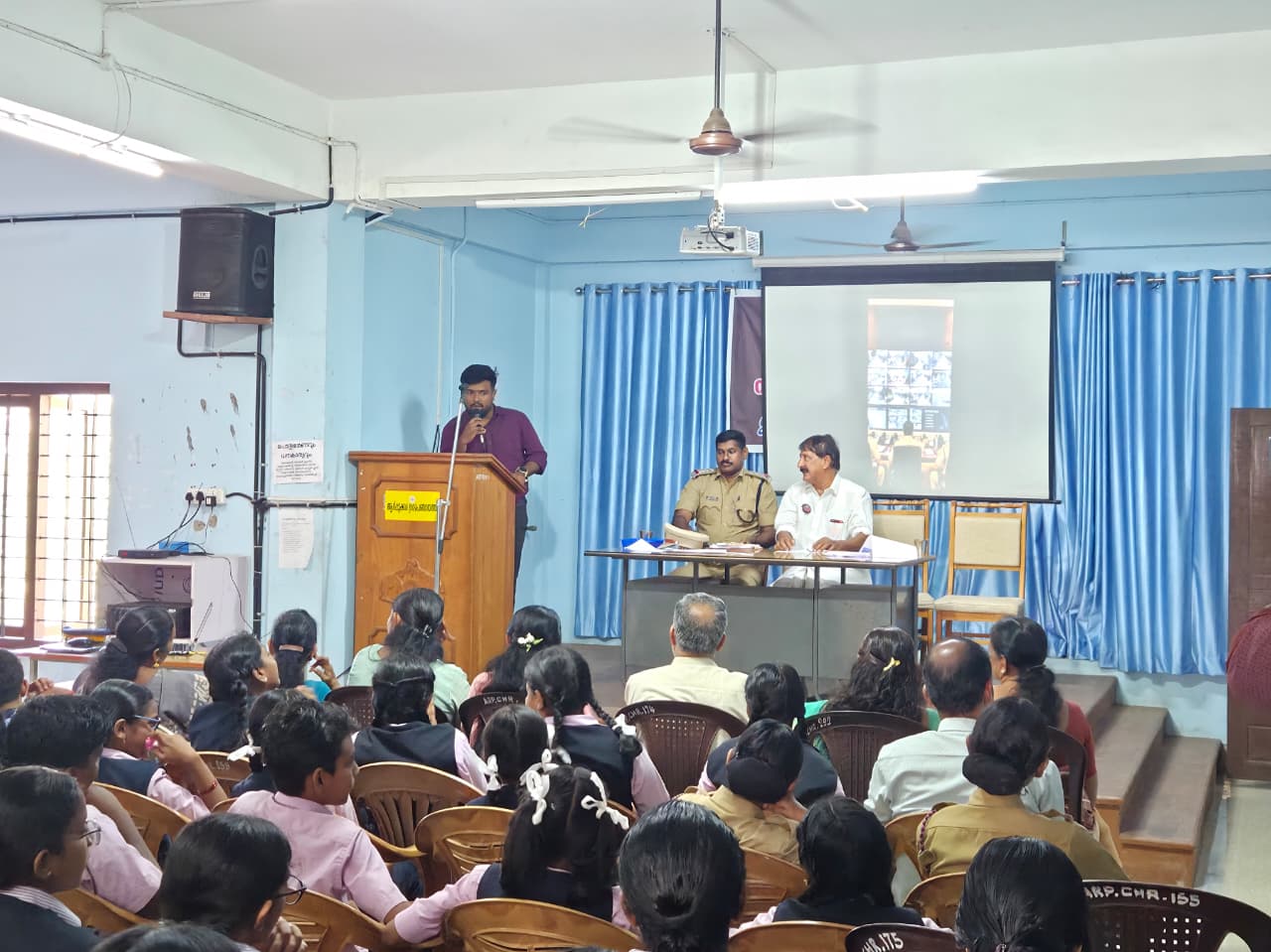
An awareness class will be organised in every Local Self-Government Institution under the leadership of a Police Officer of Sub-Inspector rank or above.
Awareness videos and other educational materials relating to Operation Toofan will also be shown.
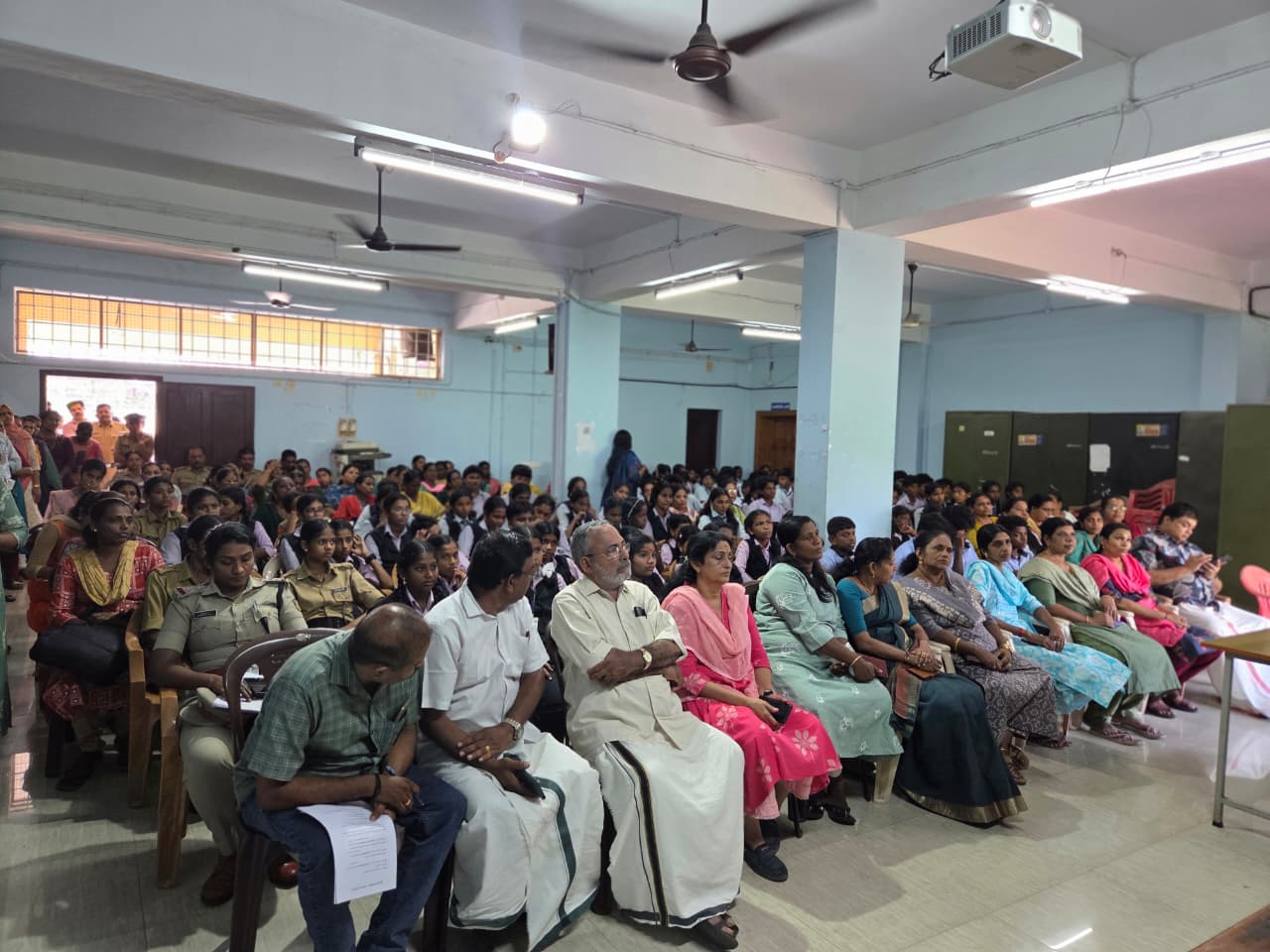
• People's Participation
Maximum participation should be ensured from:
Elected representatives
Kudumbashree workers
Haritha Karma Sena members
Students
ASHA workers
Anganwadi workers
Youth
Teachers
Service pensioners
Members of voluntary organisations
General public
5. Major Action Plans and Interventions
A. Grassroots People's Participation and Awareness
Special Toofan Grama Sabhas
Special “Toofan Grama Sabhas” will be organised with the participation of local elected representatives and the public.
These meetings will:
Discuss drug-related issues in the locality.
Identify people and areas affected by drug abuse.
Discuss ways to prevent drug use and distribution.
Develop locally appropriate prevention strategies.
Prepare action plans suited to the needs of each community.
Ensure participation of the public, Police and other relevant departments.
The objective is to make the anti-drug campaign a continuous community-level activity rather than an activity limited to enforcement agencies.
Key Points in Simple English
Operation Toofan 2.0 essentially means:
Moving anti-drug activities from a primarily enforcement-based approach to a community-based approach.
Making ward-level committees an important part of the programme.
Involving Local Self-Government Institutions, Police, Excise, Health, Education and other departments.
Involving Kudumbashree, ASHA workers, Anganwadi workers, Haritha Karma Sena, youth, students and voluntary organisations.
Focusing not only on drug seizures and arrests, but also on prevention, awareness, early intervention, treatment and rehabilitation.
Encouraging citizens to share information about drug-related activities with the appropriate authorities.
Giving special attention to young people, students and campuses.